Security guard services in Safety Harbor split into two forms: a posted officer, armed or unarmed, assigned to a property or event, and recurring vehicle patrols that check homes, communities, and businesses on a randomized schedule. Bales Security provides both throughout the Tampa Bay area and has held its Florida agency license since 2003. Officers are licensed under Chapter 493, Florida Statutes: a Class D security officer license for unarmed work, and a Class D plus a Class G statewide firearms license for armed posts, all issued through the Florida Department of Agriculture and Consumer Services (FDACS). The office answers at (800) 255-7328.
Safety Harbor is small, residential, and quiet by county standards, which changes what security coverage should look like rather than eliminating the need for it.
A small bayfront city with a specific shape
Safety Harbor is one of the Pinellas cities that contracts with the Pinellas County Sheriff's Office for law enforcement instead of running its own department; deputies assigned through the Sheriff's North District patrol the city. The arrangement fits a low-key residential city, and it also draws the line cleanly: deputies respond to calls and work public streets, while private posts, business checks, and scheduled property visits belong to contract security.
The city's footprint is compact. A walkable Main Street downtown fills for markets, festivals, and its regular event nights, then hands the crowd to the marina, pier, and waterfront park where Main Street meets the bay. The historic Safety Harbor Resort and Spa anchors the bayfront, Philippe Park sits at the north edge, and residential streets, many under HOAs, run west toward the McMullen Booth Road corridor. Demand for private security here comes less from crime pressure than from specific situations: an event that needs staffing, a business that sits dark overnight, a home that sits empty for the season.
Posted officers for events, businesses, and homes
Downtown's event calendar is the most visible use case. Festivals, private parties, and venue nights need officers managing entry, crowds, and parking, staffed for the evening rather than the year. Small commercial properties along and around Main Street use posted coverage more selectively: an officer during specific problem hours, or presence during an unusual period such as a renovation or a staffing gap. Residential posts tend toward gate coverage for communities and dedicated coverage for individual homes during gatherings or absences. Unarmed Class D officers handle nearly all of this work; armed Class D and G coverage exists for the rare assignment that genuinely warrants it.
Hiring for an event works best with lead time and a defined scope. The provider needs the venue, the expected headcount, the hours, and the specific duties: checking wristbands is a different job from watching a parking field, and both are different from walking a vendor row after cash boxes come out. Give a week or more of notice where possible, and put the duties in writing; the officer who arrives will have been briefed against that scope rather than improvising.
Patrols that fit a residential city
For most Safety Harbor property owners, patrol service is the natural starting point. A marked or unmarked vehicle checks the property on a randomized schedule, documents each visit, and reports anything out of order: an open garage door, a broken light over a rear entrance, an unfamiliar vehicle that keeps appearing. HOA streets get a visible presence at unpredictable hours. Businesses get recorded door checks after close. Seasonal and traveling homeowners get the service this city is particularly suited to: regular documented checks on an empty house, so a problem is found in days instead of months. Because the city is compact, a single route serves multiple properties efficiently, which keeps the cost proportionate to the risk.
Patrol and posted coverage also combine well here. A downtown business might book an officer for event nights, when the crowd is at its door, and rely on patrol checks the rest of the month. The engagement flexes with the calendar instead of billing against it.
Licensing under Chapter 493
Florida regulates private security at every level, and Safety Harbor property owners should use that to their advantage. The agency itself must hold a Class B license and its managers a Class MB. Every officer must hold a Class D license, which requires state-mandated training and an FDACS background screening before issuance. Any armed officer must also hold the Class G statewide firearms license, with annual firearms requalification. Each license is verifiable through the FDACS Division of Licensing public lookup, and checking takes minutes. A provider that volunteers its license numbers has nothing to manage around; a provider that stalls has answered the question anyway.
Small city, direct service
Bales Security offers Safety Harbor exactly two services, posted officers and patrols, because those are the two things a property here actually needs done well. No alarm packages, no camera upsell, no national call center between you and the supervisor who knows your street. Request a consultation at balessecurity.com or call (800) ALL-SECURE, (800) 255-7328, and describe the property; the recommendation that comes back will be sized to Safety Harbor, not to Tampa.
About the author
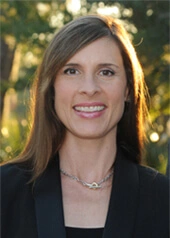
President/Owner, Bales Security
Tracy Bales leads Bales Security, bringing a background in behavioral science and organizational research to security management. She earned her Ph.D. from the University of South Florida's College of Behavioral and Community Sciences, where her research focused on violence prevention, along with a master's degree in public health and a graduate certificate in translational research from USF and dual bachelor's degrees from USF and the University of Florida. Her research spans organizational performance in corporate and military settings, and she has more than 20 years of experience in workplace design promoting safety and efficiency.